
Seasonal Pest Problems and How to Prevent Them
To prevent seasonal pest problems and how to avoid them, local contractors can provide expert treatments and advice tailored to each season’s pest challenges.
Understanding seasonal pest problems and how to prevent them is essential for property owners looking to protect their homes and outdoor spaces throughout the year. As temperatures shift and seasons change, different pests become more active, often leading to unwanted invasions or damage. Whether it's ants in the spring, mosquitoes during summer, or rodents seeking shelter in the fall, being prepared can make a significant difference. Local contractors specializing in seasonal pest control can provide tailored strategies to keep these nuisances at bay, ensuring that homes remain comfortable and pest-free regardless of the time of year.
For property owners in the area, exploring seasonal pest problems and prevention methods is a practical step toward maintaining a healthy, enjoyable environment. Many local service providers offer solutions designed to address the specific pests active during each season, helping prevent infestations before they start. By learning about common seasonal pests and how to deter them, homeowners and business owners can better protect their investments. Keep reading to discover effective tips and how local pros can assist in safeguarding properties from seasonal pest challenges.
- Seasonal pest control - homeowners experiencing increased pest activity during specific seasons can rely on local contractors to implement targeted treatments and prevention strategies.
- Spring pest prevention - as pests emerge after winter, local service providers can help establish barriers and early interventions to reduce infestations.
- Summer pest management - during peak pest seasons, local pros can provide ongoing treatments and advice to keep homes pest-free.
- Fall pest preparation - preparing for colder months involves pest-proofing homes, which local contractors can assist with through sealing and exclusion methods.
- Winter pest protection - in colder months, local service providers focus on preventing pests from seeking shelter indoors through strategic barrier treatments.
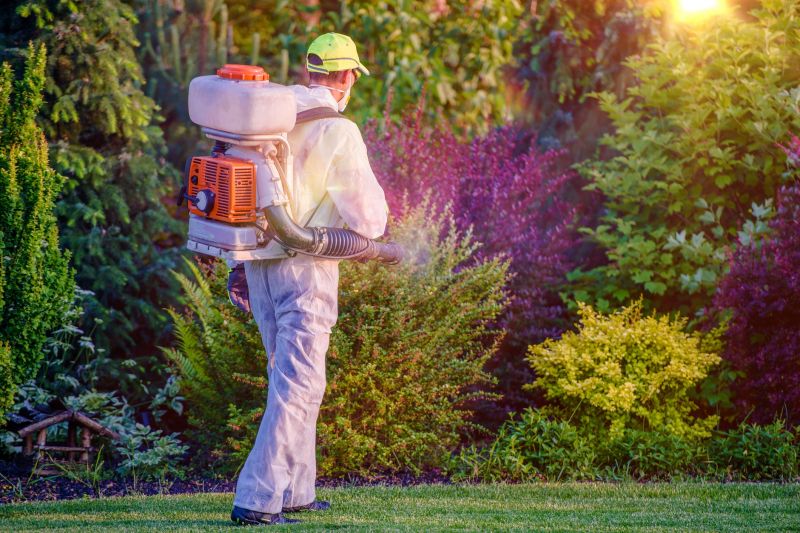

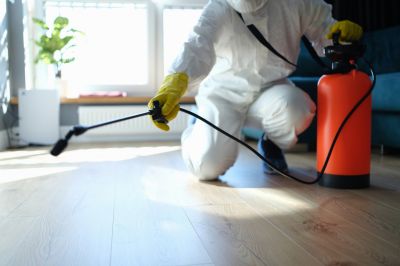
Seasonal pest problems and how to prevent them are common concerns for homeowners who want to keep their properties safe and comfortable throughout the year. When people search for this topic, they are often looking for guidance on how pests tend to appear during specific seasons and what steps can be taken to minimize their presence. These searches typically relate to issues like increased insect activity in warmer months, rodent problems during colder periods, or the emergence of certain pests that thrive under seasonal conditions. Understanding these patterns helps homeowners plan proactive measures to reduce infestations before they start, making it easier to maintain a pest-free home.
The scope of seasonal pest problems includes a variety of insects, rodents, and other pests that become more active or visible at different times of the year. For example, ants and termites often swarm in spring, while mosquitoes can become a nuisance during summer months. Rodents such as mice and rats tend to seek shelter indoors as temperatures drop in fall and winter. Each of these pests can cause specific problems, from property damage to health concerns, which makes prevention strategies especially important. Homeowners often seek advice on how to modify their property or implement pest control plans that target these seasonal threats effectively.
Properties affected by seasonal pest problems range from single-family homes and townhouses to multi-unit apartment complexes and even commercial buildings. In residential settings, yards, gardens, and basements are common entry points or habitats for pests during their active seasons. For commercial properties, especially those with food storage or processing functions, preventing seasonal pests is critical to maintaining hygiene standards and regulatory compliance. Local service providers specializing in seasonal pest control can assess these properties, identify vulnerable areas, and recommend tailored prevention plans that address the unique challenges posed by each property type.
Connecting with experienced local contractors can make a significant difference in managing seasonal pest problems effectively. These professionals understand the specific pest behaviors associated with different times of the year and can implement targeted prevention techniques. Their services often include inspections, sealing entry points, applying preventative treatments, and advising on property modifications to deter pests. By working with local pros, homeowners and property managers gain access to expert guidance and customized solutions that help reduce the risk of infestations, ensuring that properties remain comfortable and pest-free throughout the changing seasons.
Gutter Cleaning and Maintenance - Proper gutter cleaning helps prevent pest nesting and entry points, aligning with seasonal pest control efforts to reduce infestations.
Landscape and Yard Cleanup - Clearing debris and trimming vegetation reduces hiding spots for pests during seasonal changes, supporting pest prevention strategies.
Sealing and Weatherproofing Services - Sealing cracks and gaps in the exterior helps block pest entry points, complementing seasonal pest management plans.
Mosquito Control Treatments - Local contractors offering mosquito control can address seasonal breeding sites, reducing pest populations around the home.
Rodent Proofing - Installing barriers and traps to prevent rodent entry is a key part of managing seasonal pest problems effectively.
Insect Barrier Installation - Applying physical barriers around entry points helps keep insects out during peak pest seasons, supporting prevention efforts.

When comparing local contractors for seasonal pest problems and how to prevent them, it’s important to consider their experience with similar projects. Homeowners should look for service providers who have a proven track record of handling pest issues specific to the season and climate in their area. Asking for references or reviews from previous clients can provide insight into their ability to effectively manage seasonal pest control needs. A contractor’s familiarity with local pests and their habits can make a significant difference in developing a successful prevention strategy.
Clear written expectations are essential when evaluating potential service providers. Homeowners should seek detailed descriptions of the scope of work, including what treatments or preventive measures will be used and how often they should be performed. Understanding these details upfront helps ensure that both parties are aligned on the goals and responsibilities involved in managing seasonal pest problems. Well-defined expectations also facilitate smoother communication and can prevent misunderstandings during the course of service.
Good communication and reputable references are vital qualities in a dependable local contractor. Service providers who are transparent about their methods and willing to answer questions can help homeowners feel more confident in their choice. Checking references or seeking recommendations from trusted sources can reveal how well a contractor communicates, follows through on commitments, and maintains professionalism. These factors contribute to a positive experience and increase the likelihood of effective, ongoing pest prevention tailored to seasonal challenges.
Property owners often search for seasonal pest problems and how to prevent them when they are planning practical projects around their homes and businesses. Local pros provide Seasonal Pest Control services for everyday jobs and straightforward project options.
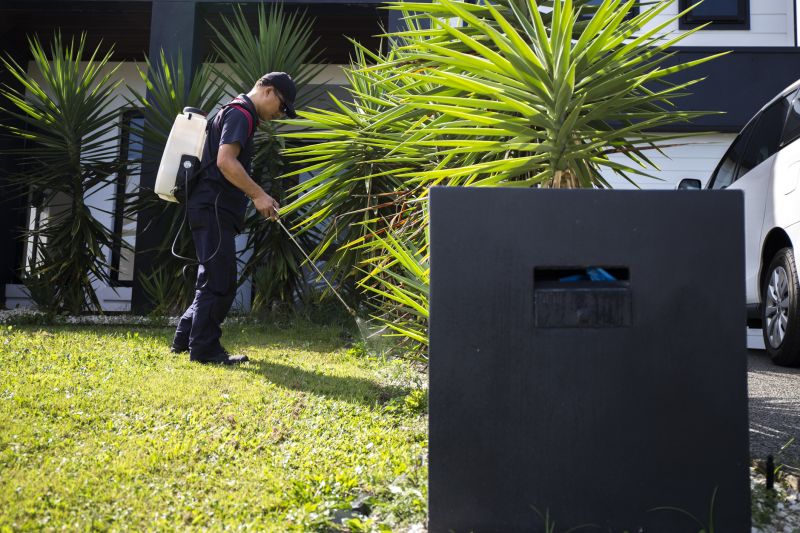

Seasonal pest problems and how to prevent them are common concerns for property owners throughout the year. As temperatures change and seasons shift, certain pests become more active, seeking shelter, food, and water around homes and businesses. For example, warmer months often bring an increase in ants, mosquitoes, and flies, while colder seasons may lead to rodent activity as they seek warmth indoors. Many property owners look up this topic to learn simple prevention strategies, such as sealing entry points or removing attractants, and to understand when professional seasonal pest control services might be needed to keep pests at bay.
Local contractors specializing in seasonal pest control can provide tailored solutions to address these recurring issues. They understand the specific pest patterns that occur during different times of the year and can recommend effective treatments to prevent infestations before they start. Whether it's applying preventive barriers, inspecting for potential entry points, or offering ongoing maintenance plans, these service providers help property owners manage seasonal pest problems efficiently. Connecting with local pros ensures that pest prevention efforts are suited to the area's unique conditions, helping to maintain a pest-free environment year-round.
What are common seasonal pest problems and how can they be prevented? Common seasonal pest problems include ants, mosquitoes, and rodents, which can be managed with proper sanitation, sealing entry points, and professional pest control services from local contractors who specialize in seasonal prevention.
How do local service providers help prevent pests during different seasons? Local contractors assess seasonal pest risks and implement targeted treatments, barrier methods, and habitat modifications to reduce pest activity throughout the year.
What are effective ways to prevent pest infestations during peak seasons? Effective prevention includes removing standing water, trimming vegetation away from structures, and scheduling regular pest control treatments with local service providers to address seasonal vulnerabilities.
When should I seek professional help for seasonal pest problems? It’s advisable to contact local pest control experts at the first signs of pest activity or before peak pest seasons to establish preventative measures and reduce infestations.
Are there specific pest control services recommended for different seasons? Yes, seasonal pest control services often include targeted treatments for pests like termites in spring or mosquitoes in summer, provided by local contractors experienced in seasonal pest management.
Seal entry points - identifying and sealing gaps around windows, doors, and foundations can help prevent seasonal pest problems and how to prevent them.
Remove standing water - eliminating sources of stagnant water around the property reduces breeding sites for pests during certain seasons.
Maintain landscaping - trimming bushes and keeping grass short can make the area less attractive to pests seeking shelter or food.
Schedule seasonal pest control - working with local contractors to set up regular treatments can help address seasonal pest problems proactively.
If you are thinking about seasonal pest problems and how to prevent them for a property, this guide is meant to help you understand this topic, the typical project types, and how different options might fit your plans.
When you are ready, you can use the quote form on this page to share a few details about your project. From there, local pros can review the basics and follow up with options that match what you have in mind.